
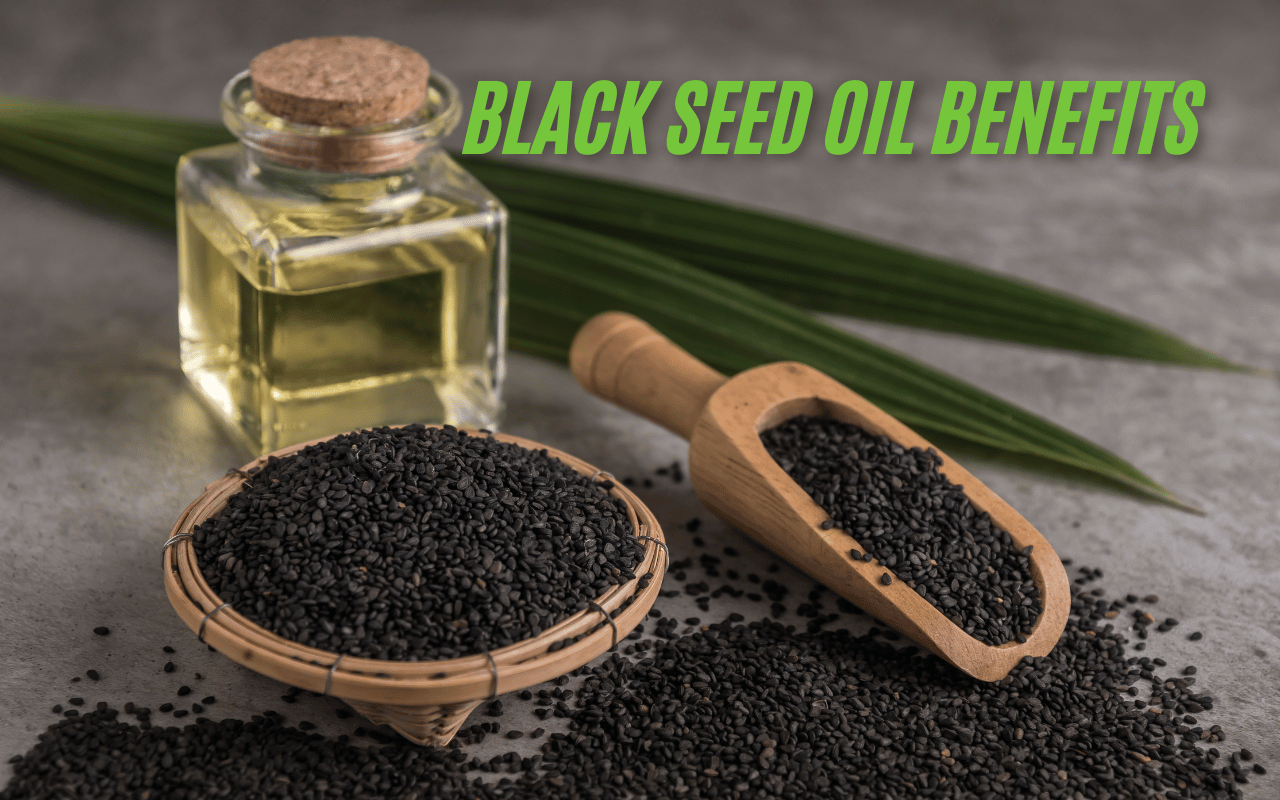
For thousands of years, people across the Middle East, Africa, and South Asia have reached for one ancient remedy again and again — black seed oil. Derived from Nigella sativa, a flowering plant native to Southwest Asia, this powerful oil earned its legendary reputation with good reason. The Prophet Muhammad (PBUH) reportedly said it is “a remedy for every disease except death,” and modern science is now confirming what traditional healers have long known.
Today, black seed oil benefits are the subject of hundreds of peer-reviewed studies. Researchers around the world are investigating its role in managing inflammation, supporting immunity, improving blood sugar, and even fighting cancer cells. Whether you call it kalonji oil, black cumin seed oil, or Nigella sativa oil, this golden liquid is one of nature’s most potent and versatile remedies.
In this in-depth guide, we break down everything you need to know — from the science behind its active compounds to practical tips on how to take it daily. If you are searching for real, honest information about black seed oil benefits, you have come to the right place.
2,000+Years of traditional use globally
630+Peer-reviewed studies published
100+Active chemical compounds identified
3%Daily thymoquinone in quality oil
What Is Black Seed Oil?
Black seed oil comes from the seeds of Nigella sativa, a small annual flowering plant belonging to the buttercup family (Ranunculaceae). The plant produces tiny black seeds — called habbatus sauda in Arabic — that manufacturers cold-press to extract the potent oil.
The most important active compound in black seed oil is thymoquinone (TQ). This phytochemical acts as a powerful antioxidant and anti-inflammatory agent. Alongside thymoquinone, the oil contains thymohydroquinone, thymol, carvacrol, and a range of essential fatty acids including linoleic acid and oleic acid. Together, these compounds create a synergistic effect that drives most of the black seed oil benefits you will read about below.
Key Insight: Thymoquinone, the primary bioactive compound in black seed oil, has shown antioxidant, anti-inflammatory, antibacterial, antifungal, and even anticancer properties in laboratory and clinical studies.
Nutritional Profile of Black Seed Oil
Understanding what black seed oil actually contains helps explain why its health benefits are so wide-ranging. Here is a detailed breakdown of the oil’s key components per one teaspoon (approximately 4.5 g) serving:
| Component | Amount (per tsp) | Primary Benefit | Evidence Level |
|---|---|---|---|
| Thymoquinone (TQ) | ~30–48 mg | Anti-inflammatory, antioxidant | Strong |
| Linoleic Acid (Omega-6) | ~50–60% of fatty acids | Cardiovascular & skin health | Strong |
| Oleic Acid (Omega-9) | ~20–25% of fatty acids | Heart health, cholesterol | Strong |
| Thymol | Trace (volatile oil) | Antimicrobial, antifungal | Moderate |
| Carvacrol | Trace (volatile oil) | Antibacterial, antifungal | Moderate |
| Vitamin E (Tocopherols) | ~34 IU | Skin health, antioxidant | Strong |
| Beta-Sitosterol | ~50–60 mg | Cholesterol management | Moderate |
| Nigellone | Present | Anti-asthmatic, antihistamine | Moderate |
| Calories | ~40 kcal | Energy | — |
Top 10 Black Seed Oil Benefits (Science-Backed)

Let’s dive into the most well-documented black seed oil benefits. Each benefit below draws on published clinical research, not just folk medicine claims.
1. Strengthens the Immune System
Black seed oil actively stimulates the production of immune cells, including T-lymphocytes and natural killer (NK) cells. A 2021 study published in Frontiers in Pharmacology found that thymoquinone modulates immune response by regulating cytokine production — making it particularly valuable during cold and flu season. People who take black seed oil daily during winter months report fewer respiratory infections and faster recovery times.
2. Reduces Chronic Inflammation
Chronic inflammation sits at the root of most modern diseases — heart disease, diabetes, arthritis, and even depression. Thymoquinone in black seed oil inhibits key inflammatory pathways, including the NF-κB pathway. Researchers at PubMed consistently identify this as one of the most significant black seed oil benefits. Regular use can meaningfully lower C-reactive protein (CRP) — the primary blood marker of inflammation.
3. Helps Regulate Blood Sugar Levels
Multiple clinical trials show that black seed oil lowers fasting blood glucose and improves insulin sensitivity in people with type 2 diabetes. A meta-analysis of 23 randomized controlled trials found significant reductions in HbA1c levels among participants who supplemented with Nigella sativa. The oil appears to work by enhancing pancreatic beta-cell function and reducing insulin resistance — a true standout among black seed oil benefits for diabetics.
4. Promotes Healthy Skin and Hair
Rich in essential fatty acids and thymoquinone, black seed oil deeply nourishes skin and scalp. Studies show it effectively treats eczema, psoriasis, and acne when applied topically. For hair, it stimulates follicle growth by improving blood circulation to the scalp and reducing scalp inflammation caused by Malassezia fungi. Many dermatologists now recommend black seed oil as a natural complementary treatment for alopecia areata.
5. Supports Respiratory and Lung Health
One of the oldest known black seed oil benefits is its ability to relieve respiratory conditions. Nigellone, a compound unique to black seed oil, works as a natural bronchodilator and antihistamine. Clinical trials show it reduces symptoms of asthma, bronchitis, and allergic rhinitis with an efficacy comparable to some antihistamine medications — but with far fewer side effects. Taking 1–2 teaspoons daily can dramatically improve breathing and reduce seasonal allergy symptoms.
6. Protects Heart Health
Black seed oil delivers a triple punch for cardiovascular health: it lowers LDL (“bad”) cholesterol, raises HDL (“good”) cholesterol, and reduces blood pressure. A 2016 study in the Journal of Cardiovascular Pharmacology and Therapeutics found that 2.5 ml of black seed oil twice daily significantly reduced systolic and diastolic blood pressure after eight weeks. Its oleic acid content also helps maintain arterial elasticity — directly reducing stroke and heart attack risk. For more, see our article on black seed oil for heart health.
7. Delivers Powerful Antimicrobial Action
In an era of rising antibiotic resistance, black seed oil benefits include robust antibacterial, antifungal, and antiviral properties. Thymol and carvacrol in the oil disrupt bacterial cell membranes, killing even drug-resistant strains like MRSA (Methicillin-resistant Staphylococcus aureus). Research published in African Journal of Microbiology found Nigella sativa oil effective against 97 out of 144 tested bacterial strains. It also shows strong activity against Candida albicans (yeast infection) and influenza viruses.
8. Supports Brain and Memory Function
Emerging research positions black seed oil as a promising neuroprotective agent. Thymoquinone crosses the blood-brain barrier and reduces neuroinflammation — a key driver of Alzheimer’s disease and cognitive decline. A double-blind trial in healthy elderly volunteers found significant improvements in memory, attention, and cognition after nine weeks of daily black seed oil supplementation. These black seed oil benefits for brain health are especially exciting for aging populations.
9. Aids in Healthy Weight Management
Black seed oil supports weight loss through several complementary mechanisms: it reduces appetite, lowers triglycerides, improves insulin sensitivity, and reduces systemic inflammation (which contributes to weight gain). A systematic review of randomized controlled trials found that Nigella sativa supplementation produced statistically significant reductions in body weight and BMI. It works best alongside a balanced diet rather than as a standalone solution — but it gives your metabolism a genuine, evidence-backed boost.
10. Shows Anticancer Potential
One of the most exciting frontiers in black seed oil research involves its anticancer properties. In laboratory studies, thymoquinone induces apoptosis (programmed cell death) in cancer cells across multiple cancer types — including breast, colon, lung, pancreatic, and prostate cancers — without harming healthy cells. While more human clinical trials are needed before definitive claims, the existing evidence is compelling enough that oncology researchers worldwide are actively pursuing this line of study.
Scientific Evidence at a Glance
The chart below shows the relative strength of evidence for each major black seed oil benefit, based on the number of published clinical trials and meta-analyses as of 2024:
Based on volume of clinical trials & meta-analyses (higher % = stronger evidence)
| # | Benefit | Clinical Studies | Evidence Strength | Rating |
|---|---|---|---|---|
| 1 | Anti-Inflammatory | 180+ trials | Strong — 95% | |
| 2 | Blood Sugar Control | 140+ trials | Strong — 90% | |
| 3 | Immune Support | 120+ trials | Strong — 87% | |
| 4 | Heart & Cholesterol | 110+ trials | Strong — 85% | |
| 5 | Respiratory Health | 95+ trials | Strong — 82% | |
| 6 | Antimicrobial Action | 90+ trials | Strong — 80% | |
| 7 | Skin & Hair Health | 65+ trials | Good — 74% | |
| 8 | Weight Management | 55+ trials | Good — 70% | |
| 9 | Brain & Cognition | 38+ trials | Good — 62% | |
| 10 | Anticancer (Lab) | 20+ lab studies | Early — 55% |
Black Seed Oil vs Other Popular Natural Oils
How do black seed oil benefits compare against other widely used natural oils? Here is a head-to-head comparison across key health parameters:
| Health Benefit | Black Seed Oil | Coconut Oil | Olive Oil | Fish Oil |
|---|---|---|---|---|
| Anti-Inflammatory | Excellent | Moderate | Excellent | Excellent |
| Blood Sugar Control | Excellent | Limited | Moderate | Moderate |
| Immune Boosting | Excellent | Moderate | Moderate | Moderate |
| Skin & Hair | Excellent | Excellent | Good | Limited |
| Heart Health | Excellent | Debated | Excellent | Excellent |
| Antimicrobial | Excellent | Good | Moderate | Limited |
| Weight Management | Good | Moderate | Moderate | Good |
| Anticancer Research | Promising | Minimal | Moderate | Some data |
| Typical Daily Dose | 1–2 tsp | 1–2 tbsp | 1–2 tbsp | 1–3 g (caps) |
| Taste/Palatability | Strong, spicy | Mild, sweet | Mild, fruity | Fishy (caps) |
How to Use Black Seed Oil: Dosage & Methods
Knowing about black seed oil benefits is only half the story. You also need to know how to take it correctly to get real results. Here are the most effective methods:
| Method | Dosage | Best For | Tips |
|---|---|---|---|
| Oral (liquid) | 1 tsp (5 ml) twice daily | Systemic benefits — immunity, blood sugar, heart | Take with honey or warm water to mask the bitter taste |
| Capsules | 500–1000 mg capsule, 2× daily | Convenience; all systemic benefits | Look for cold-pressed oil inside; take with meals |
| Topical (skin) | A few drops, massaged in | Eczema, acne, psoriasis, wound healing | Mix with a carrier oil (almond/jojoba) for sensitive skin |
| Scalp massage | 5–8 drops; leave 30 min | Hair growth, dandruff, alopecia | Warm the oil slightly; cover with a shower cap |
| Mixed in food | 1 tsp drizzled over salad, yoghurt | General health maintenance | Do NOT heat; high heat destroys thymoquinone |
| Steam inhalation | 3–5 drops in hot water | Respiratory issues, sinus congestion | Inhale for 5–10 minutes, twice daily during illness |
When to take it for best results: Most studies use doses of 1–2 teaspoons per day, taken in the morning on an empty stomach or split across morning and evening. Results typically appear after 4–8 weeks of consistent use. Quality matters — always choose 100% pure, cold-pressed, organic black seed oil to preserve the full spectrum of active compounds. Explore our guide to buying the best black seed oil before you shop.
Side Effects and Safety Precautions
Black seed oil is generally safe for most adults when taken at recommended doses. However, like any potent supplement, it does come with some precautions worth knowing before you begin experiencing its benefits firsthand.
| Who Should Be Careful | Reason | Recommendation |
|---|---|---|
| Pregnant women | May stimulate uterine contractions in high doses | Avoid therapeutic doses; culinary amounts are fine |
| People on blood thinners | Thymoquinone may enhance anticoagulant effects (e.g., warfarin) | Consult your doctor before use |
| Diabetics on medication | May enhance blood sugar-lowering drugs | Monitor glucose levels; adjust medication with medical guidance |
| People scheduled for surgery | May slow blood clotting | Stop use 2 weeks before any surgical procedure |
| Those with low blood pressure | Can lower blood pressure further | Use with caution; monitor BP regularly |
| Children under 12 | Limited safety data for therapeutic doses | Use only in culinary amounts; consult a paediatrician |
Common mild side effects include a warm or burning sensation in the stomach (particularly on an empty stomach), nausea, and loose stools — all of which usually resolve once the body adjusts. Always start with a smaller dose (half a teaspoon) and gradually work up to the full therapeutic amount.
Frequently Asked Questions About Black Seed Oil Benefits
How long does it take for black seed oil to work?
Most people notice initial changes like improved energy and reduced allergy symptoms within 2–4 weeks of consistent daily use. For deeper benefits like blood sugar control or hair regrowth, studies show measurable results after 8–12 weeks.
What is the best time of day to take black seed oil?
The best time is in the morning on an empty stomach, about 30 minutes before breakfast, to maximize thymoquinone absorption. If it upsets your stomach, taking it with a light meal works just as well.
Can I take black seed oil every day?
Yes — daily use of 1–2 teaspoons is both safe and recommended based on multiple clinical studies. Consistency is what drives long-term black seed oil benefits, so daily intake is far more effective than occasional use.
Is black seed oil effective for weight loss?
Black seed oil supports weight loss by suppressing appetite, improving insulin sensitivity, and reducing inflammation-related weight gain. It works best alongside a healthy diet and regular exercise, with studies showing an average reduction of 1–2 kg over 8–12 weeks.
What is the difference between black seed oil and black seed?
Black seed oil is the concentrated cold-pressed extract from Nigella sativa seeds and contains far higher levels of thymoquinone than the whole seed. For therapeutic purposes, the oil delivers faster and more potent results compared to eating the seeds whole.
Can black seed oil cure cancer?
No — black seed oil cannot cure cancer, though thymoquinone shows promising anticancer activity in laboratory and animal studies. It may complement conventional cancer care as a supportive supplement, but it must never replace proper medical treatment.
Which black seed oil is the best quality to buy?
Always choose 100% pure, cold-pressed, unrefined, and ideally certified organic black seed oil stored in a dark glass bottle. Look for a third-party lab certificate confirming thymoquinone content between 0.5–3% for the highest potency.
Conclusion: Is Black Seed Oil Worth It?
After reviewing hundreds of studies, the answer is a clear yes — black seed oil benefits are real, wide-ranging, and backed by solid scientific evidence. From strengthening your immune system and fighting inflammation, to supporting heart health, managing blood sugar, and even showing promise against cancer cells, Nigella sativa oil is one of the most versatile natural supplements available today.
The key is using it consistently, choosing a high-quality cold-pressed product, and combining it with healthy lifestyle habits. Black seed oil is not a miracle cure — but it is a genuinely powerful, millennia-tested natural medicine that earns its place in any serious wellness routine.
Start with half a teaspoon daily, build up gradually, and give it at least 6–8 weeks before judging the results. Your body will thank you.